Artifacts
Photo by Raa_Sz on Freeimages.com
My kids make a lot of art. If you have kids, I’m guessing yours do too. Honestly, it’s a bit overwhelming. I mean, what am I supposed to do with all of it?
Recently, I did something that caused my kids to make even more art. I don’t regret it in the slightest.
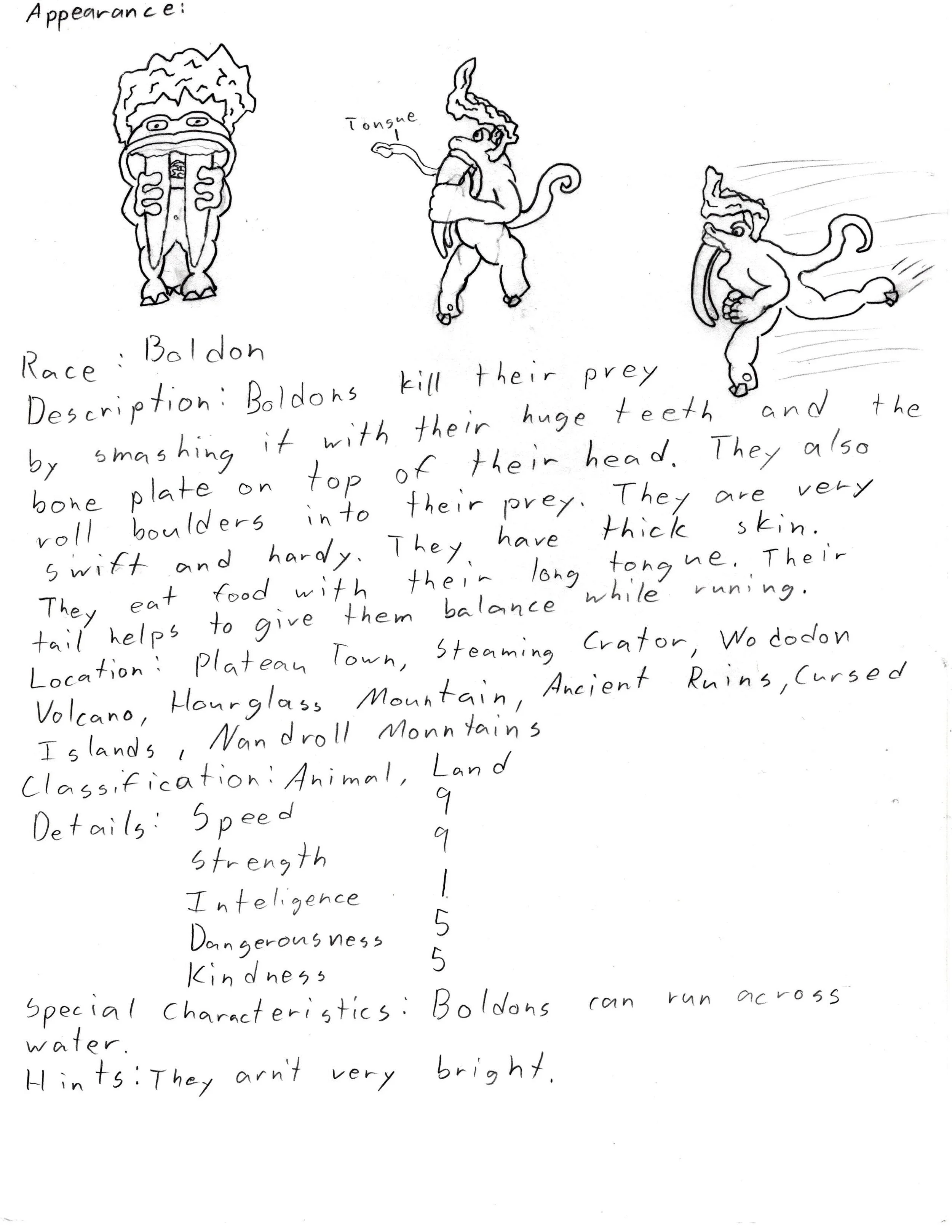
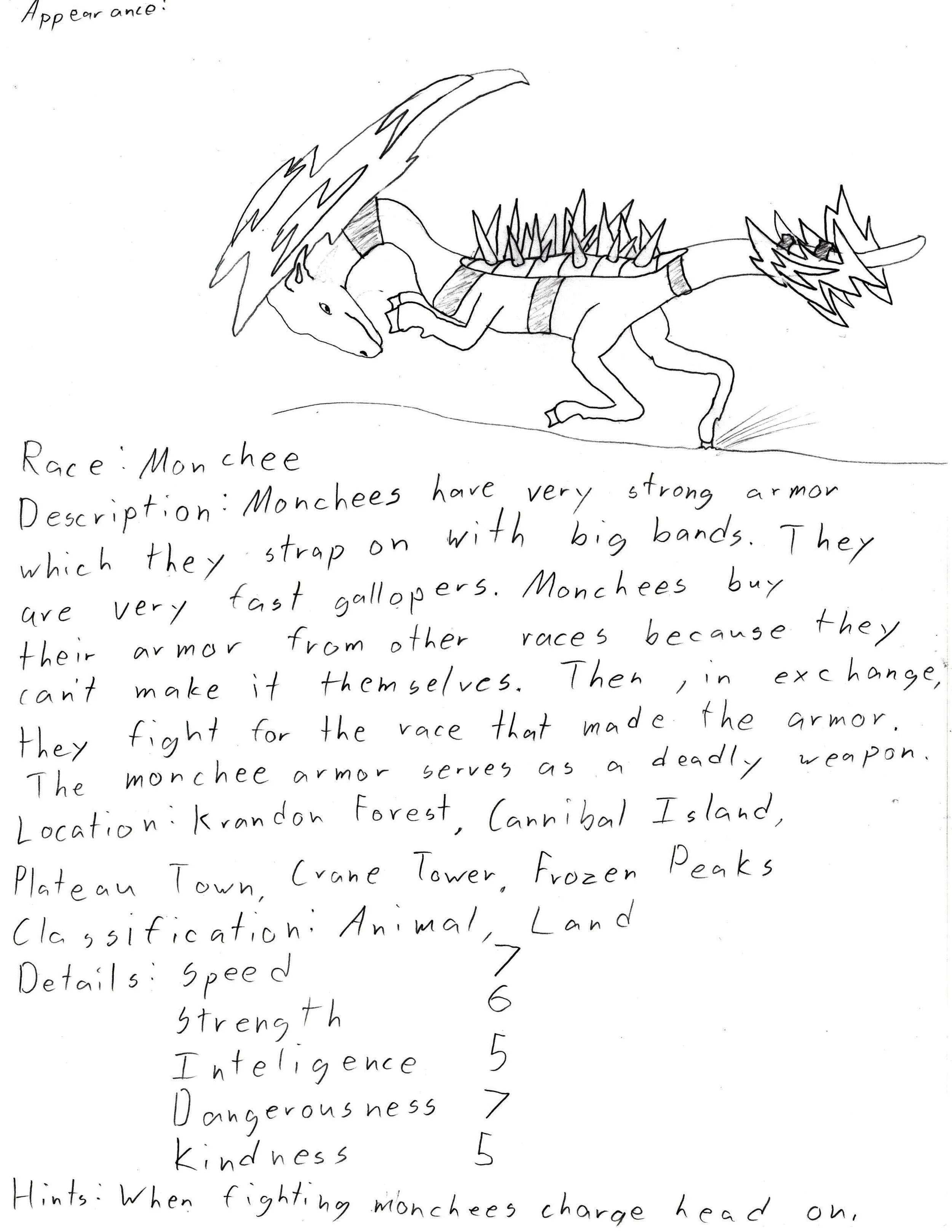
At their request, I’d dug up my old portfolio filled with artwork, mostly from high school and college, but some even earlier. The very first manila folder that I pulled out and showed them contained pages of an alien world I’d created (one of several) with a series of maps followed by pages of creatures with various descriptions and stats. Presumably, this was all for some sort of RPG I’d never gotten around to actually making.
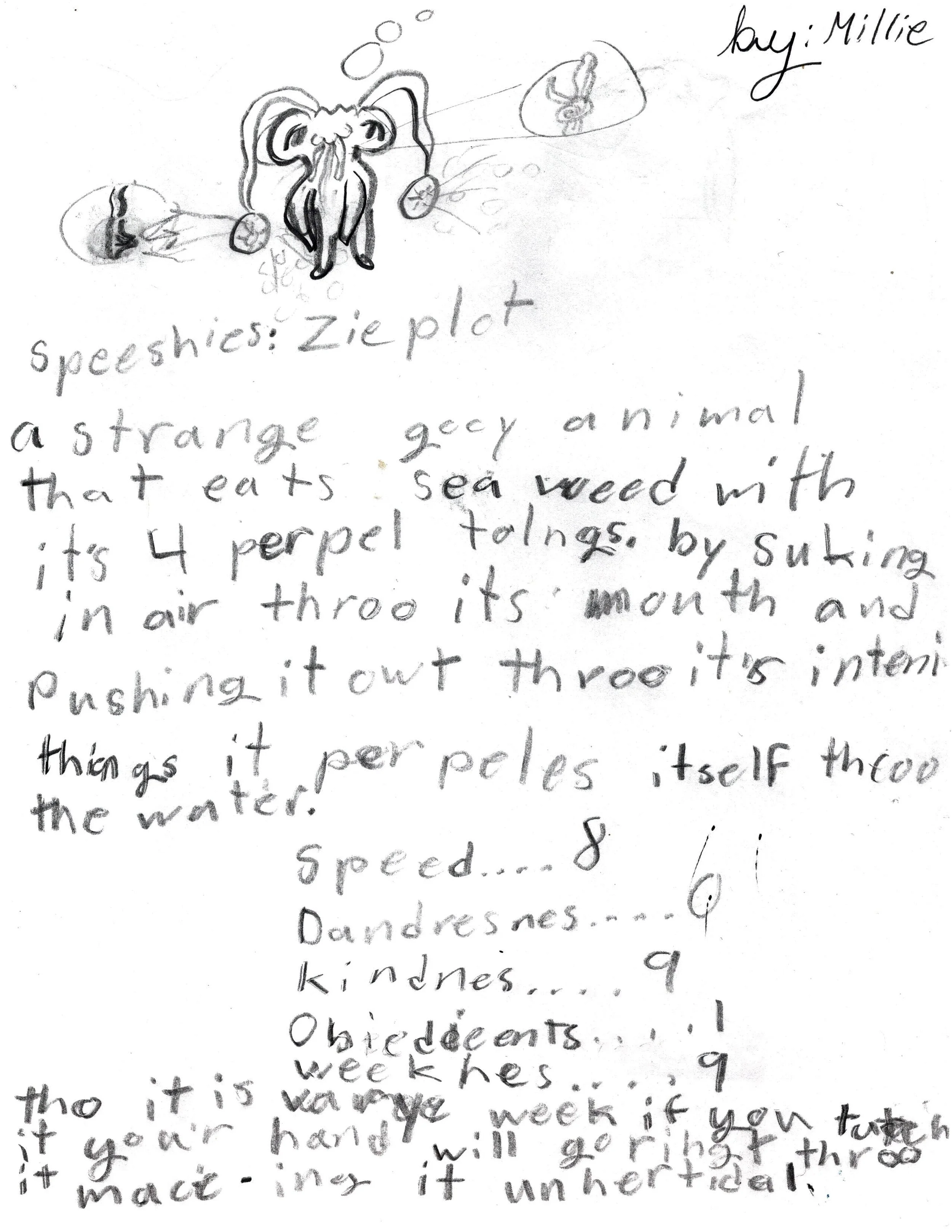
The kids absolutely loved it—to the point that they each started making their own creature pages with a similar style of description and stats. I have to say, I was pretty surprised by the creativity and inspiration that led them to take a format and copy it so well, while also adding their own personal flare.
This got me thinking about artifacts—those things we make and save, the things we leave along the way.
There is quite a range of things that may fall into this category: artwork, music, photos, writings, games, collections, crafts, decorations, furniture, old sayings (my Dad has so many of these, you wouldn’t believe it), etc. Even these blog posts serve as artifacts, holding thoughts and ideas I once had.
They’re what gets passed along—placeholders for memories of people and times that mattered. They’re what remains of our past selves.
One of my grandmothers had a glass cabinet filled with her impressive collection of miniature shoes. Another grandmother of mine had shelves of stuffed bears. She also had a ton of rubber stamps, which served a more practical use as she’d make many hand-crafted cards with them. The memory of such things brings me a certain joy.
In the software world, artifacts are a crucial part of development and maintenance of the software, including things like source code, documentation, logs, environment settings, libraries, and licenses. In the same way, our artifacts are blueprints of the life we lived, how we functioned, what kept us going. They can be passed down from one generation to another to preserve form and function.
When it comes to video and images, artifacts are imperfections that show up for a host of reasons including compression, hardware issues, and results of post-processing. Likewise, artifacts can be an indicator of our own imperfections, but they’re also the things that make us stand out as unique and not just carbon copies of another, unlike a perfectly duplicated image file. And artifacts themselves are imperfect in that they can only represent a small part of who we were.
There’s probably a reason why artifact contains the word “art” in it. Whether representative of an individual or a community, and whether something personally crafted or instead simply preserved by the owner, artifacts are, like any art, a form of self-expression. They reveal our interests and passions.
In Indiana Jones and other such adventure stories, we’re used to seeing artifacts with magical (sometimes face-melting) powers. Real life artifacts might not be so flashy (or dangerous) but they do possess their own special sort of magic and they certainly contain an element of mystery. They might not be able to freeze time, but they do keep a moment of history alive, even if imperfectly. They are vessels containing memories that might otherwise be lost. They preserve parts of a culture (big or small) that would otherwise be lost entirely.
I’ve really come to value the importance of artifacts as I’ve gotten older. The tricky part, as with my kid’s artwork, is figuring out which artifacts to hold on to and which to release, but I think that’s a subject best saved for another post…
Just for fun, here’s a couple examples of my old drawings:
This is one of my daughter’s (10 years old) creations:
And a couple of the creatures my son (8 years old) came up with:
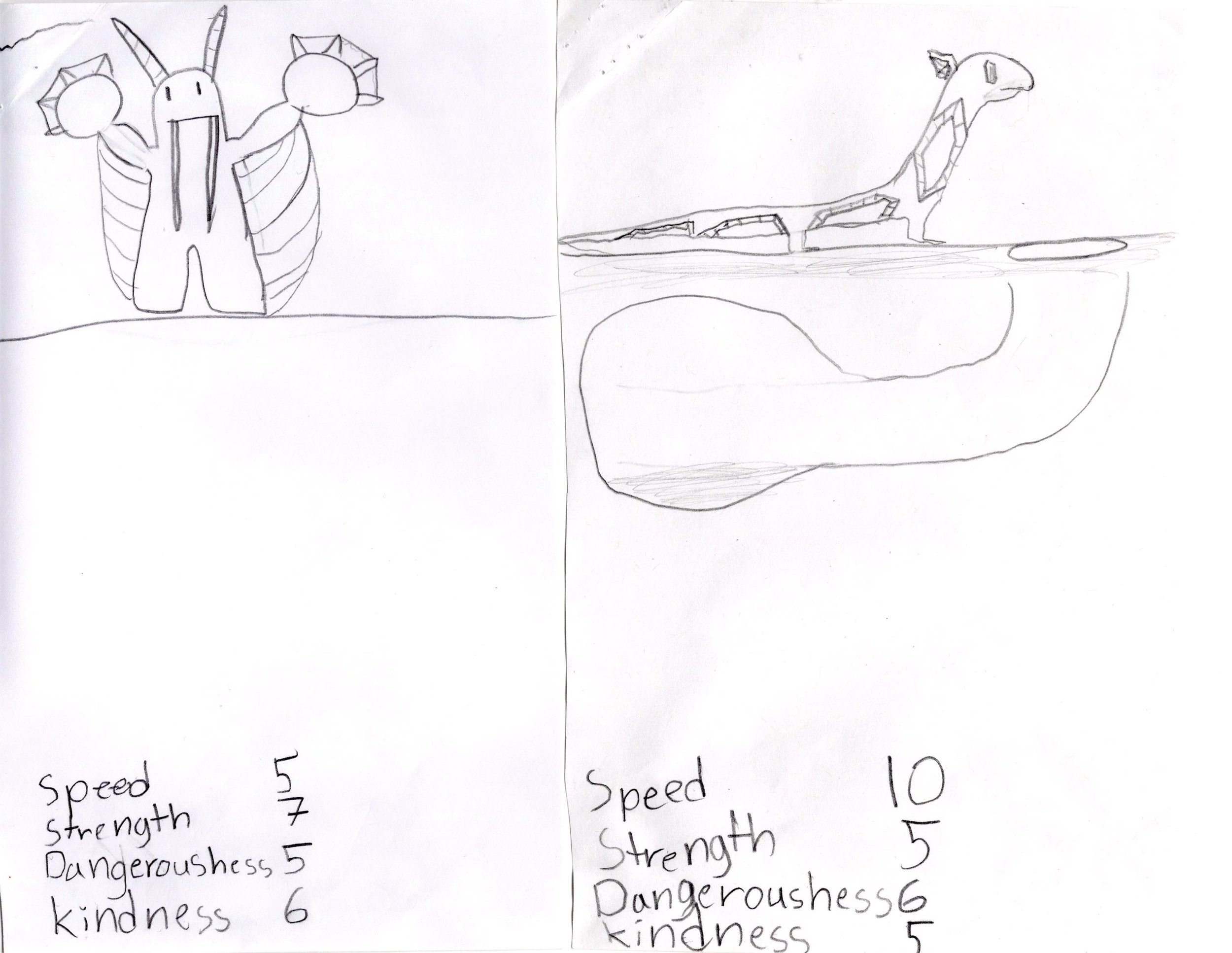
He also wanted to make it known that he wasn’t finished with them yet.